
Why Post-Exercise Sauna Sessions Supercharge Your Recovery
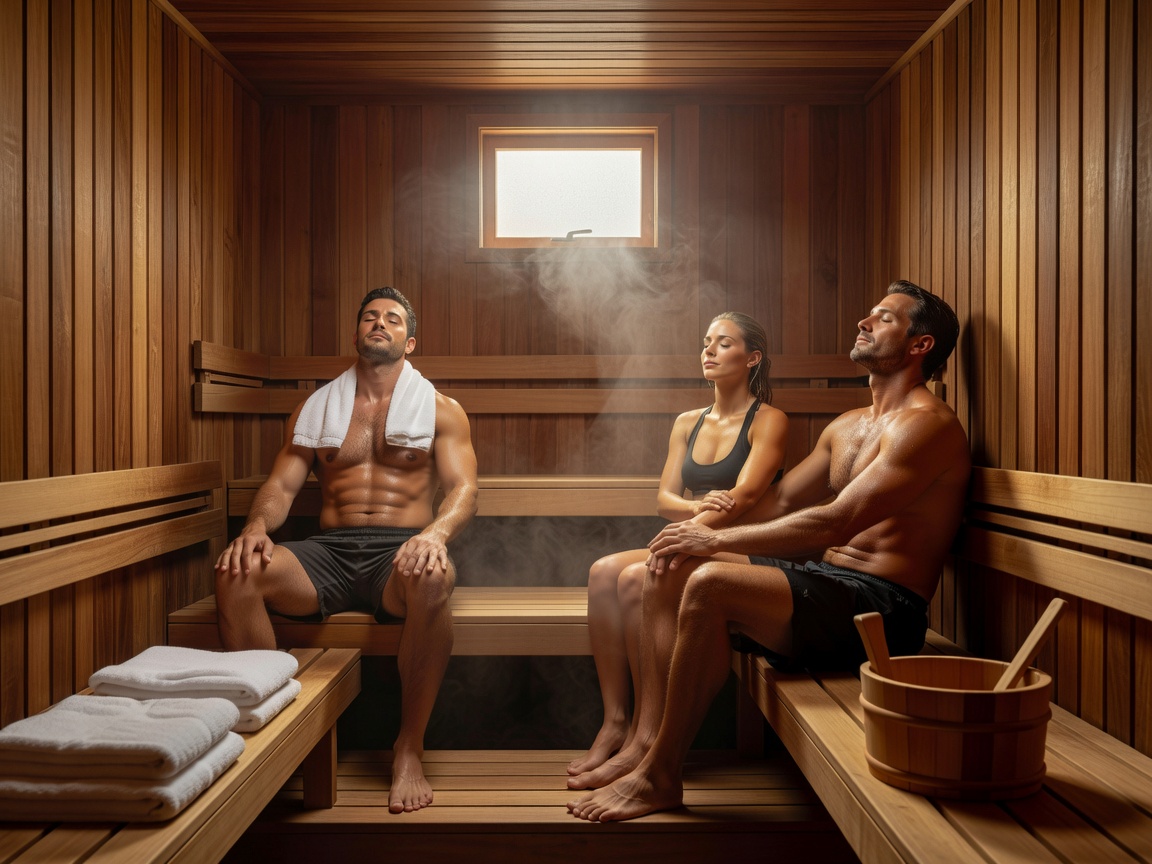
Why Sauna After a Workout Can Improve Recovery
The benefits of sauna use after workout include relaxed muscles, less perceived soreness, a short extra cardiovascular stimulus, and a calmer transition out of a hard session. It is not a shortcut to fat loss or a replacement for sleep, food, and hydration. But used well, heat can be a practical recovery tool for busy people.
For a simple, safer starting point:
- Cool down for 10 to 15 minutes after training.
- Drink water before entering.
- Use a short session: about 10 to 20 minutes in a traditional sauna, or a longer lower-heat infrared session if you tolerate it well.
- Leave immediately if you feel dizzy, nauseated, weak, or unusually thirsty.
Research suggests post-exercise heat may support blood-flow adaptations, plasma-volume expansion for endurance training, and lower muscle soreness. One small study of infrared sauna use found soreness was 28% lower about 14 hours after exercise, while regular post-run sauna protocols have improved time-to-exhaustion in endurance testing.
The key is to treat the sauna as additional heat stress, not passive rest. Rehydrate, keep sessions reasonable, and match the dose to the intensity of your workout.
7 Evidence-Based Benefits of Sauna Use After Workout
Applying heat therapy directly following physical exertion is a powerful physiological amplifier. When you sit in a heated cabin after intense training, your body does not just warm up—it triggers a cascade of cellular, vascular, and hormonal events.
Leading exercise physiologists and fitness experts often highlight the balance between exertion and thermal therapies. When exploring the benefits and risks of a post-workout sauna, the consensus is clear: intelligent heat exposure turns post-exercise fatigue into long-term adaptation.
Accelerated DOMS Reduction and Enhanced Blood Flow
One of the most immediate advantages of heat exposure post-exercise is its ability to curb delayed onset muscle soreness (DOMS). High-intensity training creates micro-tears in muscle fibers and generates metabolic waste products. Post-exercise sauna sessions reduce DOMS by up to 47% when entered within 30 minutes of completing a training session, with broader systematic reviews across 13 randomized controlled trials demonstrating a consistent 15% to 25% drop in overall soreness.
This relief occurs because ambient heat stimulates microvascular perfusion. Capillaries dilate, increasing skeletal muscle blood flow by 50% to 70% above resting baseline for 30 to 60 minutes after exercise. This surge in circulation accelerates lactate clearance—cutting the time needed to remove 50% of systemic blood lactate down to 15–25 minutes compared to 30–45 minutes under passive rest.
Athletic recovery research, such as findings discussed in GQ's analysis of post-workout sauna benefits, confirms that thermal therapy clears acidic ions rapidly. In explosive-power testing, athletes utilizing post-workout heat maintained baseline countermovement jump height 14 hours post-session, whereas control groups experienced a 5% drop in performance.
Cardiovascular Conditioning and VO2 Max: Core Benefits of Sauna Use After Workout
The cardiovascular demands of sauna bathing closely mirror moderate-intensity aerobic exercise. While resting in high heat, your heart rate elevates to 100–150 beats per minute, cardiac output rises, and peripheral vascular resistance drops.
A central driver of athletic improvement is plasma volume expansion. Three weeks of post-run sauna exposure can expand blood plasma volume by 17.8%, driving an impressive 32% increase in time-to-exhaustion during running trials. When your plasma volume expands, your heart delivers oxygen to working tissues with greater stroke volume and less mechanical strain.
Combining thermal exposure with structured exercise produces compounding cardiovascular gains. Clinical trials show that pairing an 8-week exercise program with a 15-minute post-workout sauna yields an additional +2.7 mL/kg/min improvement in cardiorespiratory fitness ($VO_2\text{max}$) and an average systolic blood pressure reduction of 8.0 mmHg compared to exercise alone (Lee et al., 2022). Heat prompts endothelial nitric oxide synthase (eNOS) activation, boosting nitric oxide bioavailability and restoring arterial compliance.
Cellular Repair and Growth Hormone: Physiological Benefits of Sauna Use After Workout
At the cellular level, thermal stress acts as a hormetic trigger, inducing the synthesis of heat shock proteins (HSPs). Four hours after a 30-minute post-run sauna session at 90°C (194°F), HSP70 mRNA expression increases 4.5-fold and total HSP70 protein levels rise 2.8-fold. These molecular chaperones prevent protein aggregation, refold damaged peptides, and protect muscle tissue against oxidative degradation.
Concurrently, intense heat exposure stimulates endocrine adaptations:
- Human Growth Hormone (HGH): A single 30-minute traditional sauna session at 80°C generates a 2- to 5-fold surge in circulating growth hormone, supporting tissue remodeling and muscle protein preservation.
- Insulin-Like Growth Factor 1 (IGF-1): Heat therapy stimulates downstream anabolic signaling pathways, with acute IGF-1 surges reaching up to 142%.
- Prolactin: Circulating prolactin spikes considerably under heat, a neurochemical shift that research links to central nervous system myelin repair and recovery.
Autonomic Nervous System Reboot and Stress Reduction
A rigorous workout drives the central nervous system into sympathetic ("fight-or-flight") overdrive. If left unchecked, persistent sympathetic tone elevates systemic inflammation and delays recovery. The sauna provides an effective physiological reset button, prompting rapid sympathetic withdrawal and reactivating parasympathetic ("rest-and-digest") dominance once you step out.
This shift improves heart rate variability (HRV), a vital metric of recovery capacity and vagal tone modulation. The soothing heat also triggers the release of beta-endorphins, mitigating pain perception, stabilizing mood, and blunting the prolonged release of cortisol.
Metabolic Support and Water Weight Clarification
Sauna therapy elevates core body temperature, raising your resting metabolic rate and sustaining excess post-exercise oxygen consumption (EPOC). While sitting in a sauna for 25 minutes burns a modest number of additional calories—comparable to a light walk—it is essential to distinguish between thermogenic energy expenditure and fluid shifts.
The immediate drop on the scale after a sauna session is transient water loss through sweating, not fat oxidation. The average individual sheds approximately one pint (roughly 500 mL) of sweat during a short sauna session. However, the true metabolic value of regular sauna use lies in improved glucose regulation: regular thermal conditioning enhances whole-body insulin sensitivity and increases GLUT4 glucose transporter expression within skeletal muscle.
Optimal Protocols: Timing, Temperature, and Duration by Sauna Type
To maximize adaptation and avoid excessive strain, your heat exposure should match your specific sauna modality:
| Sauna Modality | Ambient Temperature | Relative Humidity | Recommended Post-Workout Duration | Mechanism of Heat Transfer |
|---|---|---|---|---|
| Traditional Finnish | 77°C – 93°C (170°F – 200°F) | 10% – 20% (Dry) | 15 – 20 minutes | Convection & ambient air heating |
| Full-Spectrum Infrared | 49°C – 60°C (120°F – 140°F) | Ambient | 25 – 35 minutes | Radiant infrared waves directly warming tissue |
| Steam Room | 43°C – 49°C (110°F – 120°F) | 100% (Saturated) | 10 – 15 minutes | Conduction through warm water vapor |
Traditional Finnish vs. Infrared vs. Steam Rooms

Each thermal environment engages human physiology through distinct pathways:
- Traditional Finnish Saunas: Rely on high convective heat. The elevated ambient air temperature warms your skin rapidly, creating a vigorous cardiovascular stimulus, intense sweating, and rapid blood pressure fluctuations.
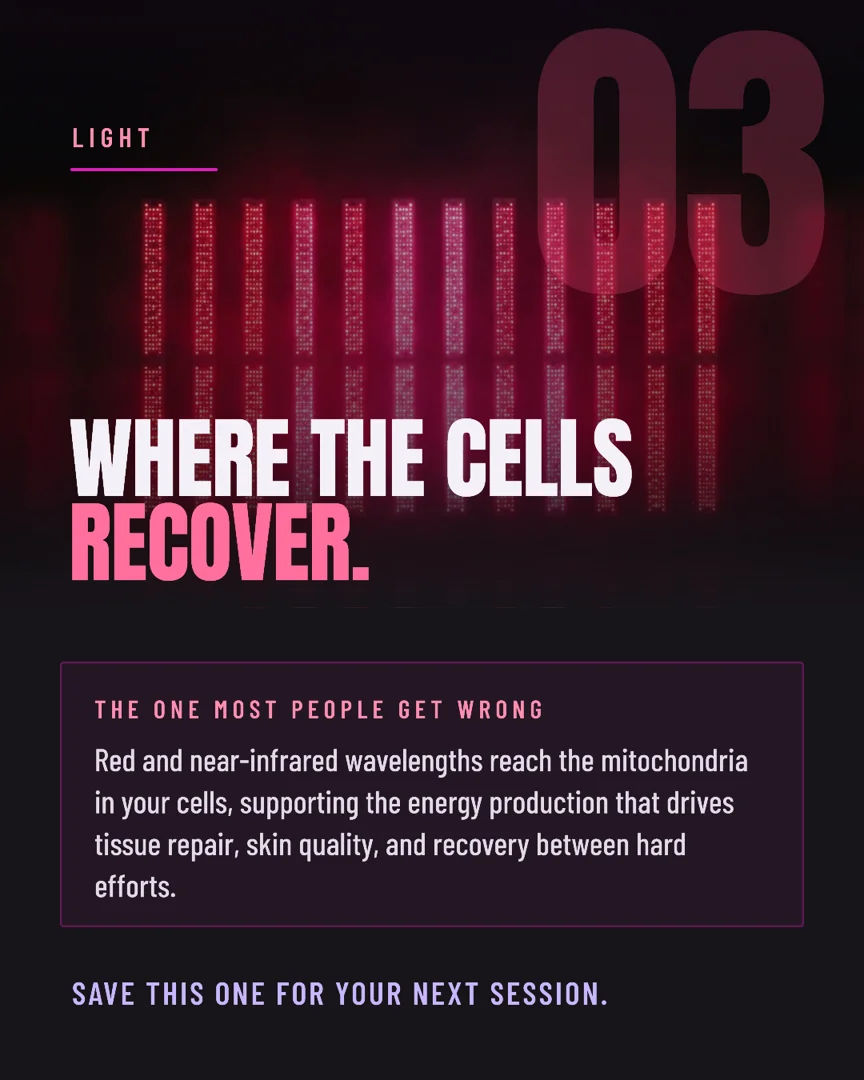
- Full-Spectrum Infrared Saunas: Utilize light waves (near, mid, and far infrared) to penetrate deep into soft tissue without needing extreme ambient air temperatures. Infrared allows for longer, gentle sessions that promote deep joint relaxation and cellular repair with less cardiovascular fatigue.
- Steam Rooms: Combine lower temperatures with 100% humidity. The water saturation on the skin prevents sweat from evaporating, driving up your core temperature quickly. Keep steam room exposures shorter (10–15 minutes) to avoid overheating.
The 10-to-15 Minute Cool-Down Rule and Pre-Entry Hydration
Never run directly from a heavy set of squats or a sprint interval straight into a 190°F sauna. Post-workout blood vessels are already dilated; entering intense heat immediately risks orthostatic hypotension, blood pooling in the extremities, and lightheadedness.
Follow this standard pre-sauna checklist:
- Cool Down: Spend 10 to 15 minutes resting, walking, or lightly stretching until your resting heart rate drops below 120 beats per minute.
- Pre-Hydrate: Drink 16 to 20 ounces (500–600 mL) of water mixed with sodium and potassium before stepping into the cabin.
- Shower: Take a quick, warm rinse to remove surface sweat, lotion, and gym grime, which keeps pores clear for optimal evaporative cooling.
Maximizing Recovery: Contrast Therapy and Weekly Session Frequency

Combining Heat with Cold Exposure in Contrast Therapy
Contrast therapy—the deliberate alternation between high heat and cold-water immersion—elevates recovery beyond heat therapy alone. Moving between a sauna and a 50°F–55°F (10°C–13°C) cold plunge creates a powerful "vascular pump."
Heat induces widespread vasodilation, opening peripheral blood vessels; subsequent cold immersion causes sudden vasoconstriction, driving blood back toward vital organs. This rapid vascular cycle accelerates the removal of cellular debris, reduces post-exercise edema, downregulates systemic inflammation by up to 30%, and stimulates brown adipose tissue (BAT) activity for improved metabolic health.
Standard Contrast Protocol:
- Heat: 15 minutes in a sauna (Infrared or Finnish).
- Cold: 2 to 3 minutes in a cold plunge tub.
- Repeat: 2 to 3 complete rounds, always concluding on cold if combating acute inflammation, or finishing on heat to maintain muscular relaxation.
Ideal Weekly Frequency and Cortisol Management
Thermal therapy operates along a hormetic dose-response curve: the right amount stimulates adaptation, while excessive exposure creates unrecovered fatigue.
Longitudinal longevity and cardiovascular research indicates that 3 to 5 sessions per week yields peak benefits. Finnish population studies show that 4 to 7 weekly sessions can cut fatal cardiovascular disease risk by 50% compared to once-weekly use.
However, scheduling two-a-day workouts coupled with daily 45-minute sauna sessions can elevate systemic cortisol levels and impair central nervous system recovery. On heavy lifting days, opt for shorter, moderate-temperature sessions or schedule your heat recovery after lower-intensity movements. For an energized, balanced routine, try stacking your recovery sessions right after attending our dynamic group fitness classes.
Frequently Asked Questions About Post-Workout Sauna Sessions
Is it better to use a sauna before or after a workout?
Post-workout is generally superior for recovery, muscle hypertrophy, and endurance adaptations. Using a sauna before exercise raises your core body temperature prematurely, causing early cardiovascular fatigue, mild dehydration, and diminished muscular force production during lifting. Pre-workout heat should be limited to 5 minutes of light warming to loosen stiff joints; save the 15- to 30-minute sessions for after your workout to lock in recovery and hormonal benefits.
Does sauna use after exercise burn fat or just shed water weight?
Post-workout sauna use primarily expels water weight through sweat. Any direct fat-burning effect from heat is minimal compared to the caloric expenditure of your actual training session. However, regular sauna sessions indirectly optimize body composition over time by improving insulin sensitivity, preserving lean mass via heat shock proteins, and optimizing sleep quality.
What should you eat, drink, and do immediately after a sauna session?
Post-sauna recovery centers around rehydration, remineralization, and nervous system relaxation:
- Fluids: Drink 125% to 150% of the fluid weight you lost during your workout and sauna session (typically 24–32 ounces of water).
- Electrolytes: Add a broad-spectrum electrolyte mix containing sodium, potassium, and magnesium to prevent cramping and dizziness.
- Nutrition: Consume 25 to 40 grams of high-quality protein alongside complex carbohydrates within 60 minutes to support muscle protein synthesis and replenish glycogen stores.
- Rest: Sit or recline in a temperate environment for 10 minutes before returning to daily tasks.
Conclusion
Integrating sauna therapy into your fitness routine transforms recovery from a passive waiting period into an active physical upgrade. By expanding blood plasma volume, stimulating growth hormone, upregulating protective heat shock proteins, and calming the central nervous system, post-workout heat ensures you return to your next training session stronger, faster, and more resilient.
Consistency and proper environment make all the difference in your wellness journey. You can explore full recovery access through our flexible studio membership options, and supercharge your recovery routine inside our dedicated Fire & Ice recovery lounge. Listen to your body, hydrate diligently, and let intentional heat elevate your performance.
References
Lee E, Kolunsarka I, Kostensalo J, Ahtiainen JP, Haapala EA, Willeit P, Kunutsor SK, Laukkanen JA. "Effects of regular sauna bathing in conjunction with exercise on cardiovascular function: a multi-arm, randomized controlled trial.." American journal of physiology. Regulatory, integrative and comparative physiology, 2022. PMCID PMC9394774.