
Local Pilates for Seniors: Discovering Gentle Mind-Body Classes
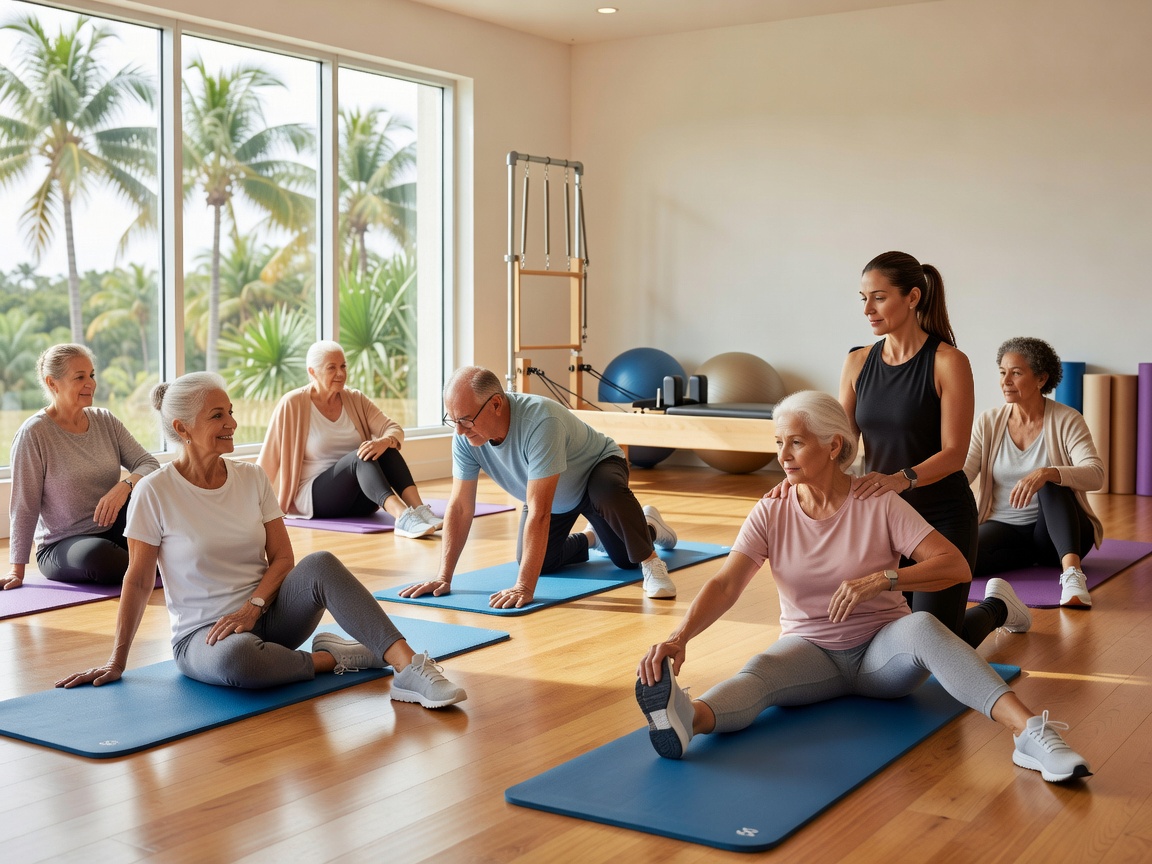
Find Gentle, Senior-Friendly Pilates Classes Near You
If you are searching online for 'pilates for seniors near me,' start by looking for studios, YMCAs, and community fitness centers that offer beginner, gentle, chair, or small-group Pilates. Before booking, ask whether the instructor has experience adapting exercises for arthritis, joint replacements, osteoporosis, balance concerns, or limited mobility.
The best local option is usually one with:
- Small class sizes and clear, hands-on guidance
- A private introductory session or beginner orientation
- Accessible equipment, such as reformers or chairs that reduce floor transitions
- Instructors who ask about injuries, surgeries, and movement goals before class
Pilates is a low-impact method that builds practical strength, mobility, posture, and body awareness. For older adults, those gains can make everyday movement feel steadier, from climbing stairs to catching balance after a trip. Strength and balance training are also central parts of CDC fall-prevention guidance for adults over 65.
At Agni Miami, the goal is not to push through pain or keep up with anyone else. It is to find a supportive class format that helps each person move with more confidence, control, and ease.
Key Physical and Mental Health Benefits for Active Older Adults
As we transition into our 60s, 70s, and beyond, our bodies naturally experience physiological shifts. Muscle mass decreases gradually (a process known as sarcopenia), joint cartilage thins, and our natural sense of balance can begin to waver. Traditional gym workouts often rely on heavy free weights or high-impact jumping, which can place unnecessary strain on delicate joints and leave you sore for days.
Pilates, originally developed as a form of physical rehabilitation to relieve pain and restore functional movement, offers an entirely different approach. By emphasizing controlled, low-impact movements with spring or bodyweight resistance, it builds muscle tone, restores joint mobility, and maintains bone density. Harvard Medical School notes resistance training is among the most effective ways to maintain function with age.
Core Stability, Hip Strength, and Fall Prevention
Falls are the leading cause of injury in adults over 65. Many falls occur not because of major hazards, but due to minor stumbles over a loose rug, a misjudged curb, or a sudden change in direction.
Senior-focused Pilates addresses this risk directly through three structural movement pillars:
- Hip Strengthening: Builds the stabilizing muscles surrounding the pelvis to improve walking gait and lateral stability.
- Core Stabilization: Recruits the deep transverse abdominis and pelvic floor to support the spine during daily tasks like bending, lifting, and twisting.
- Postural Alignment: Counteracts forward head posture and rounded shoulders, keeping your center of gravity naturally balanced over your feet.
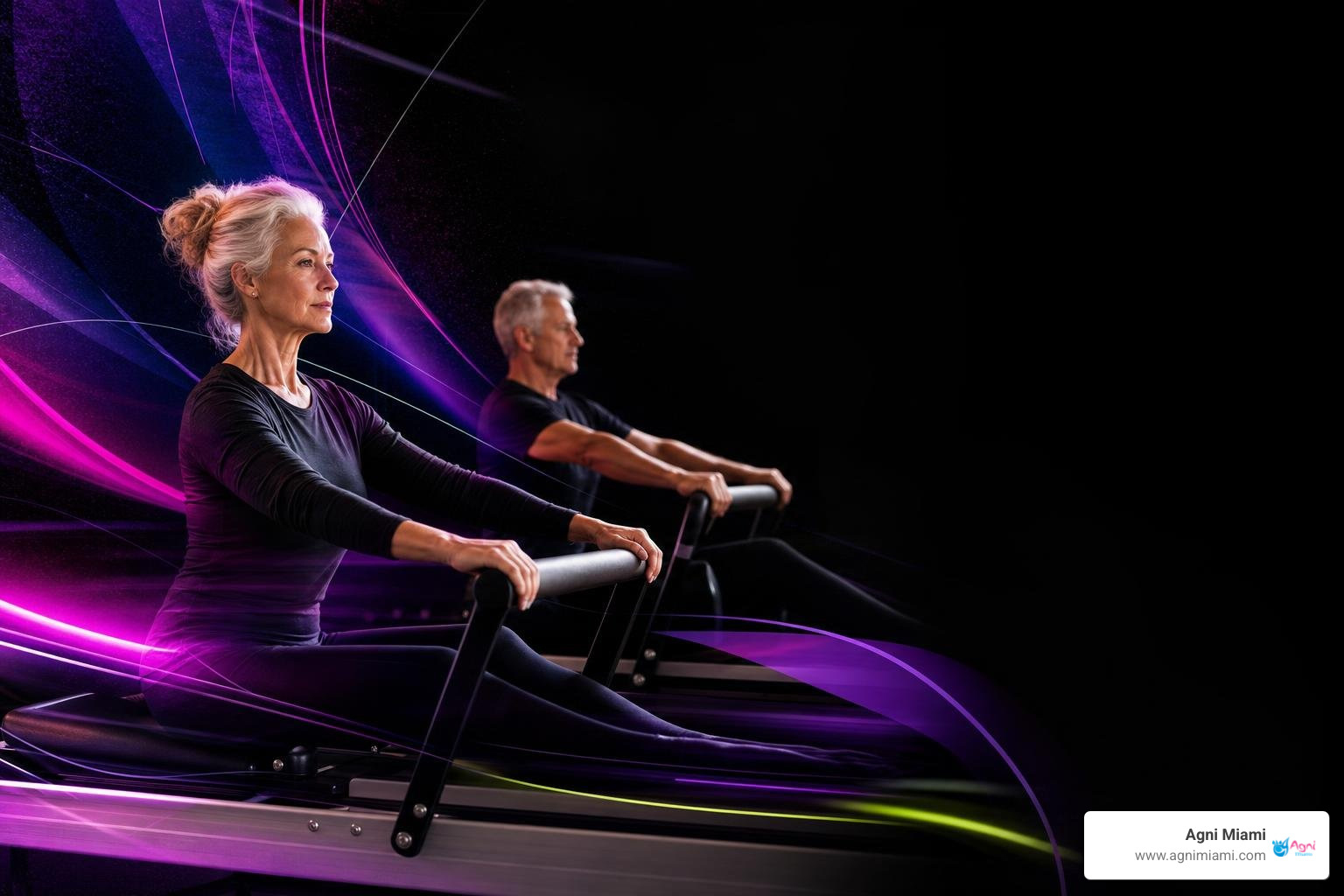
Furthermore, using moving apparatuses trains proprioception—your body's internal sense of where it is in space. When you know where your limbs are without looking down, you can react instantly to uneven pavement or unexpected balance shifts. This physical competence directly reduces the psychological fear of falling, creating a virtuous cycle where you feel empowered to stay active and explore your community.
Joint Longevity, Arthritis Relief, and Post-Rehabilitation Support
Aging joints thrive on movement, provided it is gentle and supportive. In conditions like osteoarthritis or spinal stenosis, the smooth gliding motion of Pilates promotes the circulation of synovial fluid, which lubricates joints, reduces systemic inflammation, and alleviates morning stiffness.
For individuals who have undergone hip or knee replacements, Pilates serves as an exceptional bridge after graduating from physical therapy. The guided pathways of Pilates apparatus allow you to rebuild strength in the quadriceps, hamstrings, and glutes without high-impact pounding. Instructors can easily modify exercises—incorporating head cushions, avoiding extreme hip flexion, or offering seated variations—to ensure every exercise protects surgical repairs and sensitive spinal discs.
Mental Well-Being, Sleep Quality, and Social Connection
Physical movement is only half of the equation. Mind-body practices like Pilates demand focused breathing and mindful concentration, which helps lower resting cortisol levels and soothe the nervous system.
Older adults who practice regular low-impact mindful movement frequently report:
- Deeper, more restorative sleep patterns
- Improved blood sugar regulation and metabolic health
- Reduced anxiety and a brighter daily mood
- Enhanced cognitive sharpness and neuroplasticity
Beyond the physiological gains, attending weekly sessions introduces you to an uplifting community. Sharing a laugh with fellow movers and checking in with an attentive instructor transforms exercise from a chore into a reliable weekly social anchor.
Comparing Senior Pilates Modalities: Reformer, Mat, Chair, and Wall
Not all Pilates classes look the same. Depending on your current mobility, balance, and joint health, different class formats offer distinct advantages.
| Modality | Primary Surface / Tool | Floor Transitions Required? | Best For | Key Advantage for Seniors |
|---|---|---|---|---|
| Reformer | Elevated sliding carriage with spring tension | No (sits at chair height) | Joint support, gentle resistance, balance | Springs assist motion while building deep stabilizer strength |
| Mat Pilates | Padded floor mat, small props (balls, bands) | Yes | Core fundamentals, home practice | Low equipment requirement, builds bodyweight control |
| Chair Pilates | Sturdy upright chair or Pilates Wunda chair | No | Limited mobility, rehabilitation | Seated stability with targeted leg and core engagement |
| Wall Pilates | Flat wall surface with bodyweight/props | No | Postural alignment, beginner balance | Vertical support eliminates pressure on knees and wrists |
Mat and Reformer Pilates for Aging Bodies
Mat Pilates is the traditional foundation of the discipline. It relies on your body weight against gravity, using props like foam rollers, resistance bands, and magic circles to add variety. While mat classes are fantastic for core endurance, they require getting down onto and up from the floor, which can feel daunting if you have severe knee arthritis or hip stiffness.
Reformer Pilates, on the other hand, utilizes an elevated carriage set at standard chair height. You can simply sit down onto the carriage without touching the floor. The adjustable springs provide two distinct advantages: they can add gentle resistance to build bone mineral density, or they can provide assistance, carrying part of your limb weight so you can move through a full range of motion without joint strain.

Chair and Wall Pilates for Limited Mobility
If standing unsupported or lying flat causes dizziness or discomfort, Chair and Wall Pilates offer accessible alternatives.
Chair Pilates allows you to perform seated pelvic tilts, torso twists, and leg presses while maintaining complete postural security. Wall Pilates uses the solid vertical plane of a wall to support your spine, making it simple to perform modified squats, calf raises, and posture-aligning roll-downs without stressing your lower back.
How to Find the Best Pilates for Seniors Near Me
Finding the right studio environment is essential for a safe and empowering experience. You want a welcoming space that values functional longevity over high-pressure athletic competition. Reading about a studio's philosophy will help you determine whether their community prioritizes functional wellness, accessible movement, and mindful recovery.
Instructor Qualifications, Class Sizes, and Safety Protocols
When evaluating local studios or community centers, ask specific questions about their safety measures:
- Comprehensive Training: Look for instructors who have completed comprehensive certification programs (often 500 to 600+ hours of training) that cover anatomy, pathologies, and modifications for older adults.
- Intimate Class Sizes: Senior group classes should have limited capacities (ideally capped around 6 to 10 participants). Smaller groups ensure the instructor can provide continuous verbal and hands-on alignment cues.
- Facility Accessibility: Verify that the studio features step-free entry, accessible parking, and wide walking paths between equipment.
Private Instruction vs Group Pilates for Seniors Near Me
If you are just starting out or managing specific physical concerns like a recent joint replacement or chronic sciatica, one-on-one private sessions are the gold standard. A private intake gives your instructor time to assess your posture, test your range of motion, and establish personalized modifications.
Once you understand the basic mechanics and feel confident with the equipment, transitioning into semi-private or small group classes offers a motivating blend of individualized attention and social camaraderie. Reviewing pricing options beforehand allows you to explore introductory packages, multi-class packs, or monthly memberships that fit your personal routine.
Preparing for Your First Session: Practical Steps and Best Practices
Stepping into a new wellness environment is exciting, and a little preparation helps ensure your first visit is smooth and enjoyable.
- What to Wear: Choose comfortable, breathable clothing that allows you to move freely without loose fabric catching in springs or equipment. Form-fitting leggings or athletic pants and a comfortable t-shirt work best.
- Grip Socks: Most equipment studios require socks with rubberized grips on the bottom to prevent slipping on the reformer carriage or wooden floors.
- Medical Clearance: If you have severe osteoporosis, cardiovascular concerns, or recent surgeries, consult your physician before starting. Bring any relevant physical therapy discharge notes to share with your instructor.
- Hydration & Arrival: Drink plenty of water throughout the day, and arrive 10 to 15 minutes before your scheduled start time. Feel free to contact our team ahead of time if you need help planning accessible parking or studio entry.

What to Expect During an Initial Assessment and Class
Your first session will begin with an introductory conversation where your instructor reviews your health history, previous injuries, and physical goals.
From there, you will move through a gentle sequence:
- Breathwork and Pelvic Placement: Learning lateral ribcage breathing to engage your core muscles without holding your breath.
- Gentle Warmup: Seated or reclining footwork to warm up the ankles, knees, and hips.
- Supported Strengthening: Controlled arm and leg presses with light spring resistance.
- Spinal Decompression: Gentle stretching to open the chest, lengthen the spine, and relieve lower back pressure.
Budgeting and Intro Offers for Pilates for Seniors Near Me
Most boutique studios and community wellness spaces offer new-client starter packages or discounted introductory discovery sessions. These offers allow you to experience the equipment, meet the teaching staff, and evaluate the studio atmosphere before committing to an ongoing schedule.
Consistency is key to seeing lasting physical benefits. Aiming for two weekly sessions creates a sustainable rhythm that delivers noticeable gains in balance, strength, and posture while leaving ample time for rest and recovery.
Frequently Asked Questions About Senior Pilates
Can I start Pilates in my 70s or 80s with no prior fitness experience?
Yes, absolutely. Age is not a barrier to Pilates. Many movers begin in their 60s, 70s, and 80s—and active clients into their 90s regularly enjoy the practice. Because spring resistance can be calibrated to support your exact body weight, exercises are easily tailored to your current fitness level, allowing you to build strength safely at your own pace.
How many times per week should seniors practice Pilates to see results?
Two to three sessions per week is the sweet spot for most older adults. This frequency provides enough progressive stimulus to strengthen stabilizing muscles, increase bone mineral density, and enhance balance, while allowing your body adequate recovery time between workouts.
Can I do Pilates if I have trouble getting down to the floor?
Yes. You do not need to get down on the floor to do Pilates. Reformer equipment sits at standard chair height, allowing you to sit or lie down comfortably without kneeling. Alternatively, Chair Pilates and Wall Pilates provide complete, full-body core and mobility workouts in seated or upright standing positions.
Conclusion
Aging with vitality is about moving with intention, protecting your joints, and keeping your body reliable for all the everyday activities you love—whether that means traveling, gardening, or playing with your grandchildren on the lawn. By strengthening deep stabilizing muscles, restoring upright posture, and sharpening your balance, Pilates helps you maintain independent, confident movement for decades to come.
Whether you are seeking gentle joint relief, rehabilitating after a medical procedure, or simply looking for an encouraging wellness community, we invite you to explore our inclusive group classes and discover how supported, mindful movement can revitalize your body from the inside out.